
✦ One-to-one ADHD coaching
You know you're capable of more.
So why does your life take so much effort for the results you get? Coaching here isn't about trying harder, getting more organised or proving you can cope. It's about working out what needs to change — and how you can actually make it happen.
Online worldwide · Stockport, Cheshire & Manchester
Our central belief
Coping is not the same as being safe.
We want to challenge the assumption that if a woman is coping, she must be okay.
- —She can be excellent at her job and still be unable to afford to leave it.
- —She can understand her ADHD and still struggle to change the conditions that make life difficult.
- —She can be in a relationship and still feel financially unable to leave.
- —She can earn a good salary and still feel that her entire life depends on keeping other people happy.
- —She can be the person everyone relies on and still have very little room to rely on herself.
Being capable of enduring something doesn't mean you should have to.
Start here
What's weighing on you most?
Pick the one that lands. It won't change what we do — but it will show you where we'd begin.
The NeuroMagic method
We map the pattern, not just the problem
Every session follows the same thread. Tap through it to see how a moment becomes a life.
Four things this coaching is built on
Relationship-based practice
Change happens within a relationship built on trust, collaboration, respect and the freedom to be honest. We don't prescribe one version of success — we work out what matters to you.
The neurodiversity paradigm
ADHD isn't a list of deficits you have to overcome. Your experience is shaped by the fit between your brain, your environment and the expectations placed on you.
Trauma-informed practice
Behaviour makes more sense once you understand its context. We work with safety, trust, choice and empowerment — safety before strategy.
The social model of disability
Not every difficulty is located inside you. We look at the barriers around you too: rigid hours, inaccessible systems, stigma, financial insecurity.
What actually changes
Not a perfect life. Better choices.
The outcomes differ, because no two women start from the same place. The common thread is self-understanding, self-trust and the ability to act on it.
- ✓Starting a business, or taking the first practical steps towards one
- ✓Securing a promotion, or pursuing opportunities you'd dismissed as out of reach
- ✓Changing jobs, or negotiating a more suitable working environment
- ✓Requesting reasonable adjustments and advocating for your needs
- ✓Leaving a relationship that no longer feels right or safe, with planning and support
- ✓Setting boundaries with family members without abandoning yourself
- ✓Spending and saving with more intention
- ✓Exploring financial security and sustainable earning options
- ✓Caring less about other people's opinions of your decisions
- ✓Understanding your patterns without defining yourself by them
- ✓Trusting your own judgement
- ✓Taking focused action, instead of changing direction with every new opinion
Works best with
Women who'll take part
You don't need to have it figured out, feel confident, or know what your future looks like. You do need to be open to reflection, willing to look at your own patterns, and prepared to act within the limits of your circumstances.
Worth saying out loud
Mindset isn't a substitute for resources
Poverty, discrimination, inaccessible workplaces, trauma and caring responsibilities are real barriers. We won't pretend every difficult circumstance can be thought your way out of — we'll help you find the options that are genuinely open to you.

Who you'll be working with
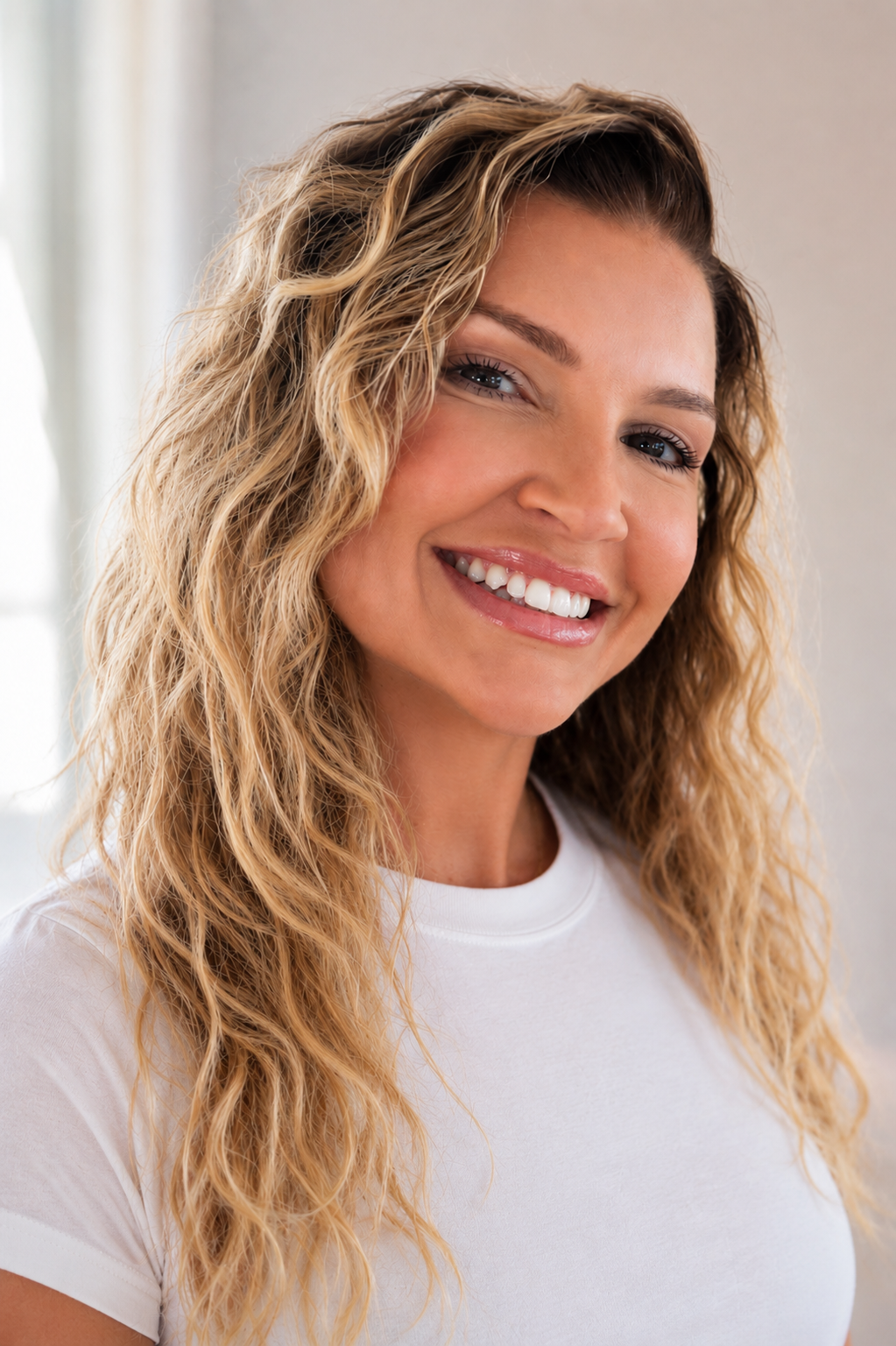
I'm Amy.
I studied psychology for six years before joining the police, then added postgraduate coaching study while still serving. Since leaving policing in 2025, I've continued studying; my master's in Psychology, Mental Health & Wellbeing is almost complete, with completion expected in 2027.
I also know what it is to hold everything together on too little money — and that the freedom to leave a situation takes more than deciding you're ready. That's why this work looks at the whole picture: your brain, your patterns, your circumstances and your options.
Questions women ask me
No. Some women I work with are diagnosed, some are waiting, and some have simply stopped ignoring the pattern. What matters is that you're ready to look at it honestly.
Coaching is distinct from specialist mental health treatment. We're more interested in what happens next than in digging for a cause — and if a different kind of support would serve you better right now, I'll tell you so.
We start with a conversation about fit, readiness, expectations and whether this approach is appropriate for where you are. That protects you as much as it protects the work.
Readiness changes, and coaching isn't the right support for every need at every point in someone's life. If now isn't the time, that's useful information — not a failure.
Yes. The same philosophy runs through our professional work, including Disclosed — a manager-focused intervention for when staff disclose a diagnosis.
The line we return to
You know you're capable of more. You want a life that reflects it.
Let's work out what needs to change — and how you can make it happen.